


Pakistan’s Silicon Leap: Highlights from the Pakistan Semiconductor Summit 2026 at LUMS
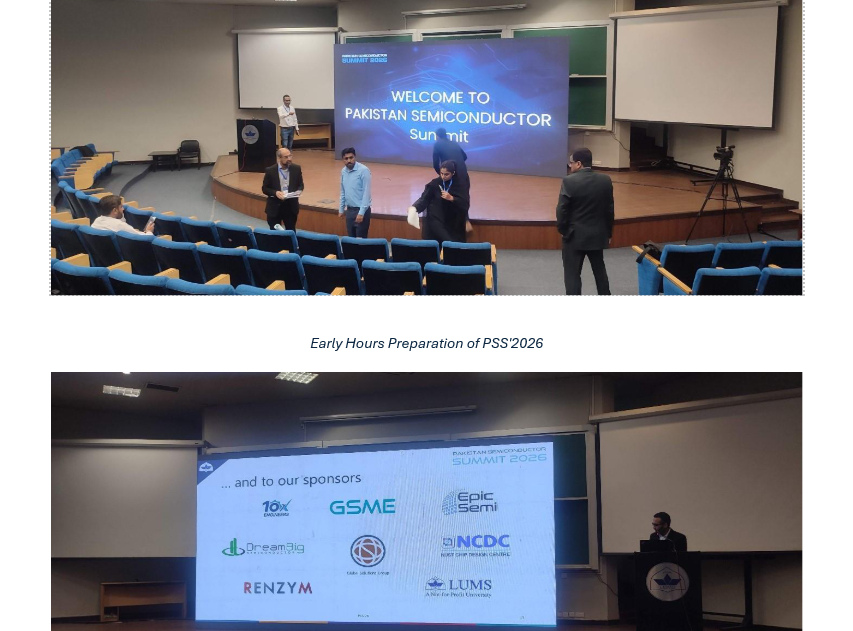
As the global semiconductor industry marches toward its trillion-dollar milestone, Pakistan has officially signaled its readiness to become a key player. From March 27 to 29, 2026, the Suleman Dawood School of Business (SDSB) at LUMS became the epicenter of high-tech innovation, hosting the Pakistan Semiconductor Summit (PSS) 2026.
The three-day event was more than just a conference; it was a strategic gathering designed to bridge the gap between Pakistan’s immense engineering talent and the global semiconductor value chain.
The Department of Electrical Engineering, LUMS and 10xEngineers were the co-organizers and co-hosts of the event.
Building Global Bridges
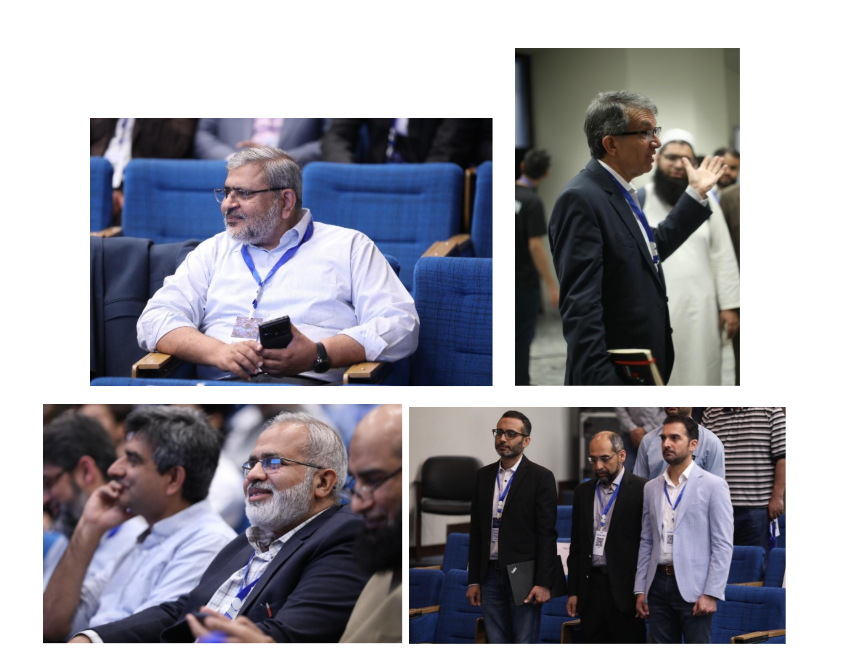
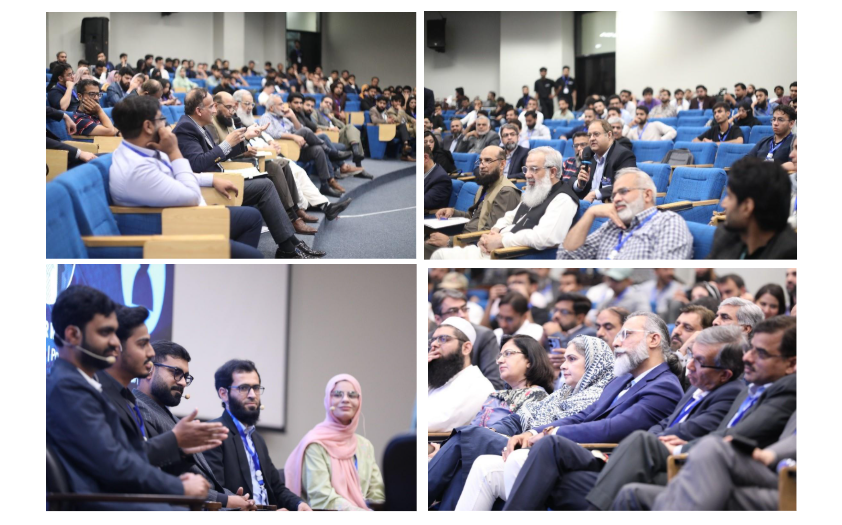
The summit’s core mission was clear: to unlock growth opportunities across the local ecosystem. By bringing together a rare mix of industry veterans, budding startups, academic researchers, and high-level policymakers, PSS 2026 established a unified roadmap for the country.
"Pakistan is no longer just a spectator in the global chip race," noted one industry leader during a keynote. "With our youth bulge and growing expertise in IC design and verification, we are building the bridges necessary to integrate into the global supply chain."
Empowering the Next Generation
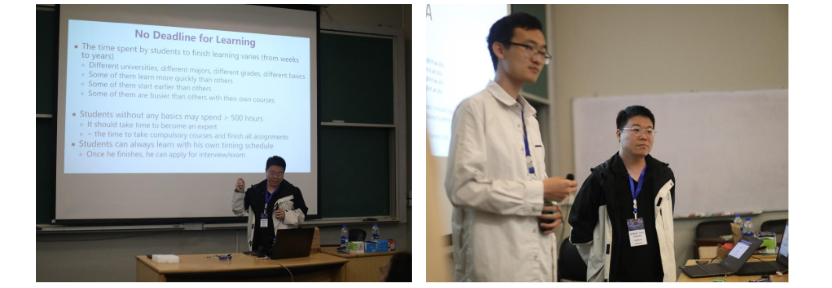
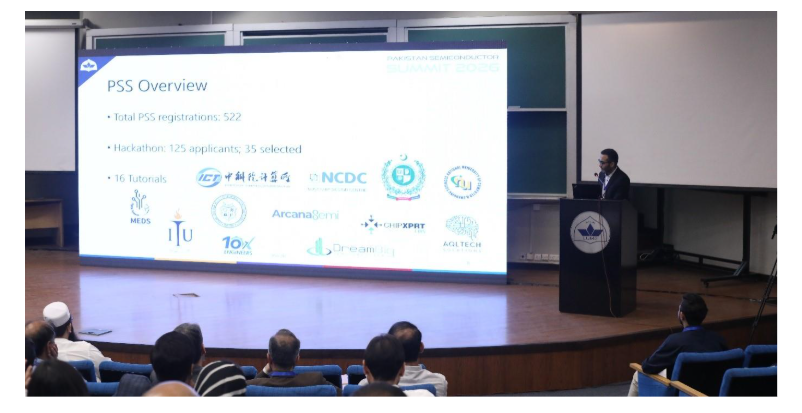
A major highlight of the summit was the Hackathon Challenge, where student teams from across the country competed to solve real-world hardware design problems. This, alongside the Emerging Talent Showcase, allowed PhD candidates and engineering students to pitch their research directly to potential employers and investors.
The technical depth was impressive. The summit featured intensive tutorials on:
RISC-V Architecture: Exploring the future of open-source hardware.
AI Accelerators: Strategies for edge computing and hardware-enabled AI.
Physical Design & Verification: Mastering the UVM (Universal Verification Methodology) and backend flows.
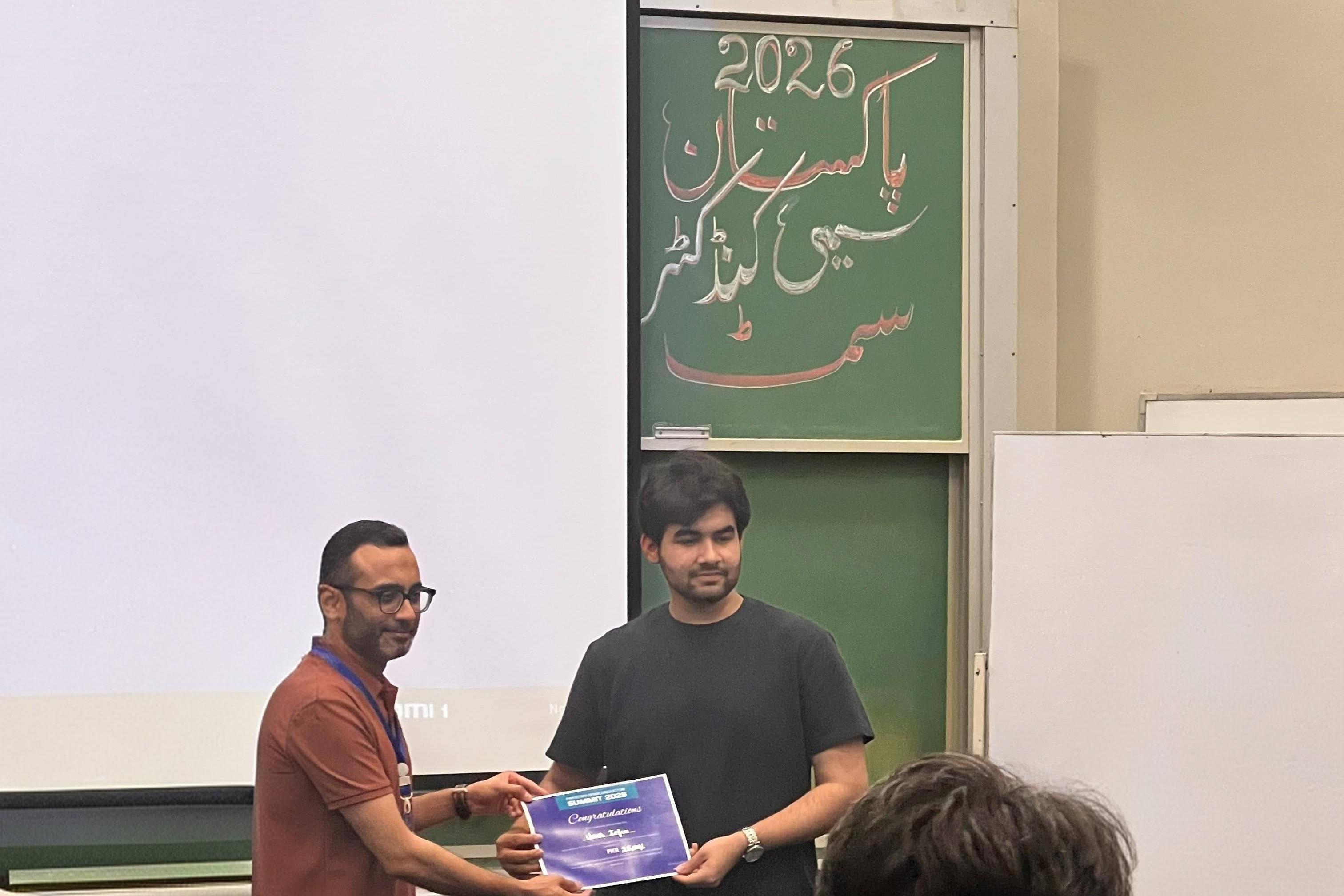
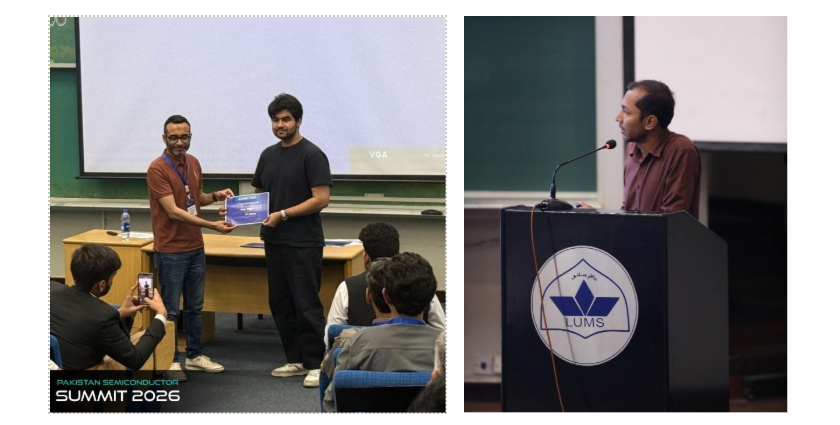
LUMS CS’27 batch student, Umer Irfan led the winning team.
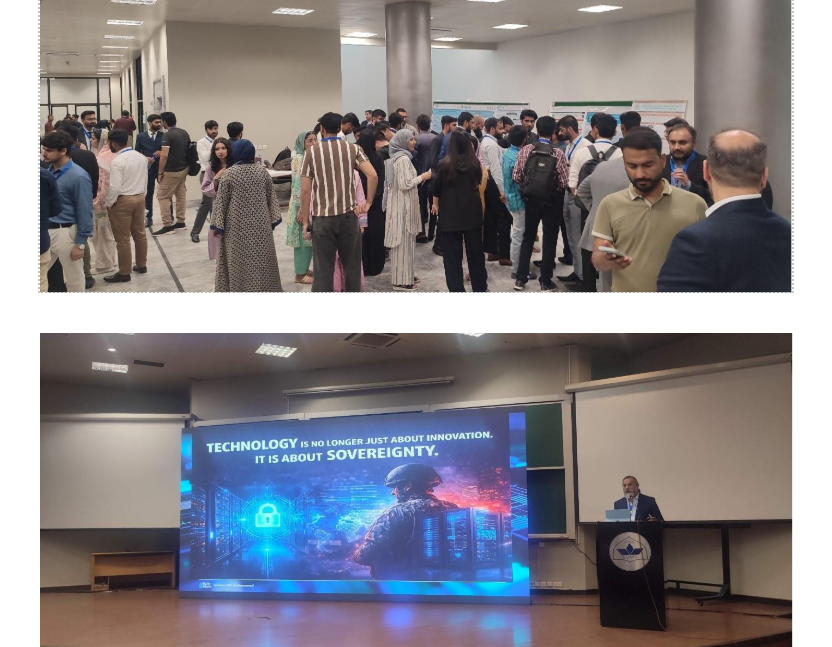
Similarly, technical oral presentations and poster sessions were also organized to enrich the overall technical ambiance of the summit and to give students and researchers a platform to present their research contributions to the PSS’2026 audience.
Among the oral presentations, two of EE-LUMS PhD students, Mr Arslan Hassan and Dr Fatima Hameed Khan (now Assistant Professor at FAST-NUCES) also presented their work done at LUMS. Dr Fatima won one of the three best technical presentations awards at the summit.
A Platform for Collaboration
Beyond the technical sessions, the Networking Lounge buzzed with activity. Startups focused on EDA (Electronic Design Automation) workflows and chip IP services found a platform to connect with venture capitalists and global strategic partners.
The presence of Government Bodies and Trade Organizations ensured that the dialogue wasn't technical, but structural. Discussions cantered on policy frameworks, workforce development, and creating "Shenzhen-inspired" ICT roadmaps to ensure long-term sustainability for the industry.
The Road Ahead
As the curtains closed on March 29, the sentiment was one of overwhelming optimism. PSS 2026 has set a new standard for industry-academia collaboration in Pakistan.
With a focus on IC design services, workforce development, and strategic industry partnerships, the summit has successfully laid the groundwork for Pakistan to move from a consumer of technology to a creator of the fundamental components that power the modern world.