



Young Researchers Take on Science’s Big Questions – LSS 2026
LUMS Science Symposium (LSS) was organized by SPADES as an annual four-day interdisciplinary research event. This August 6th-9th, LSS returned for its sixth edition, bringing together ambitious high school and O/A Level students, university faculty, researchers, and industry professionals for an immersive exploration of science, technology, and innovation. With over 550 participants, LSS 2026 marked a significant milestone for the symposium, reflecting its growing reach and relevance among aspiring young researchers.
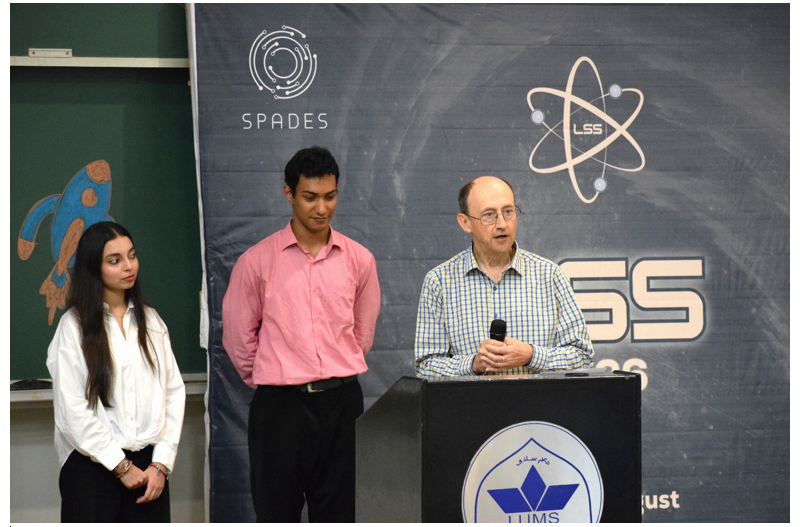
Across five cutting edge streams: Life Sciences, Autonomous Systems, Data Science, Sustainable Physics, and Women in STEM, delegates moved beyond conventional classroom learning through hands-on mentorship, research workshops, collaborative projects, and innovation driven challenges.
Life Sciences took delegates past the school biology curriculum into cellular senescence, telomeres, tumour formation, and the biological trade-off between suppressing cancer and slowing ageing. Rather than treating these as separate facts, delegates were asked to work out how the processes relate and how change at the cellular level plays out in the body over time. A competitive Jeopardy session tested scientific knowledge and quick reasoning, after which teams researched and delivered in-depth presentations on cancer and ageing, defending their conclusions in front of the room.
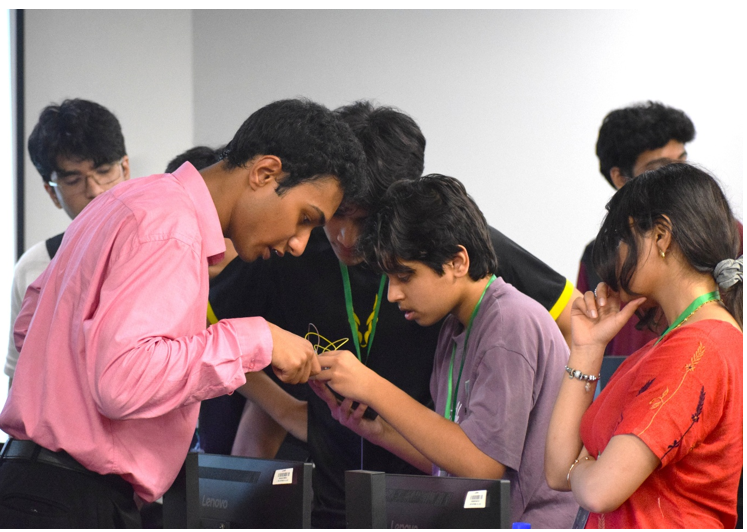
Autonomous Systems began at the level of Arduino boards and individual electrical components, then had delegates integrate them into working autonomous lighting systems and an obstacle-avoidance car. A guest-led workshop brought in robot dogs, drones, and autonomous rovers from the speakers' own research, showing delegates where the technology is being used outside the classroom. The stream ended with delegates writing project proposals that identified real problems and applied the concepts they had learned to address them.
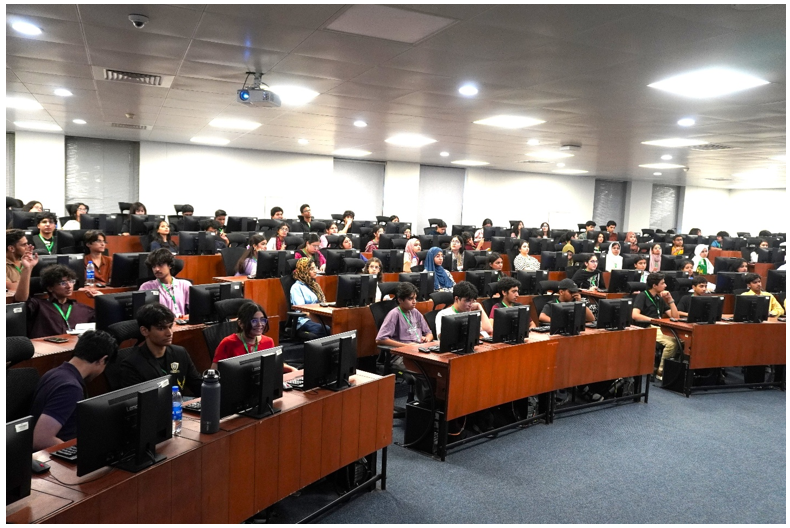
Data Science introduced delegates to the mathematical foundations and coding processes behind the field, which for most was their first exposure to it outside the school syllabus. Family Feud and Kahoot rounds were used between sessions to test understanding and get delegates working in groups. The stream closed with a hands-on project in which delegates picked their own datasets and applied what they had learned to interpret real data.
Sustainable Physics applied physics to architecture and structural design, with much of the stream focused on how structures hold up under external stress. Delegates ran modelling simulations to observe structural response under earthquake conditions and to test how design and engineering choices affect stability. The stream also covered sustainable materials, their physical properties, and their applications in construction.
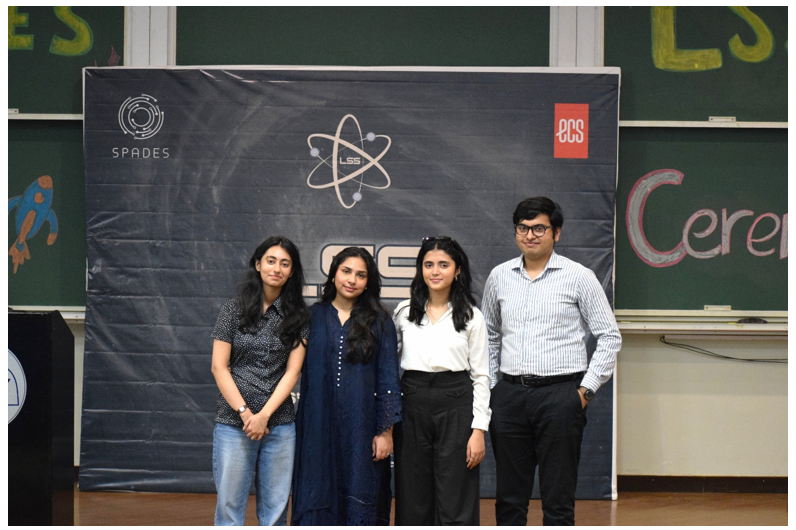
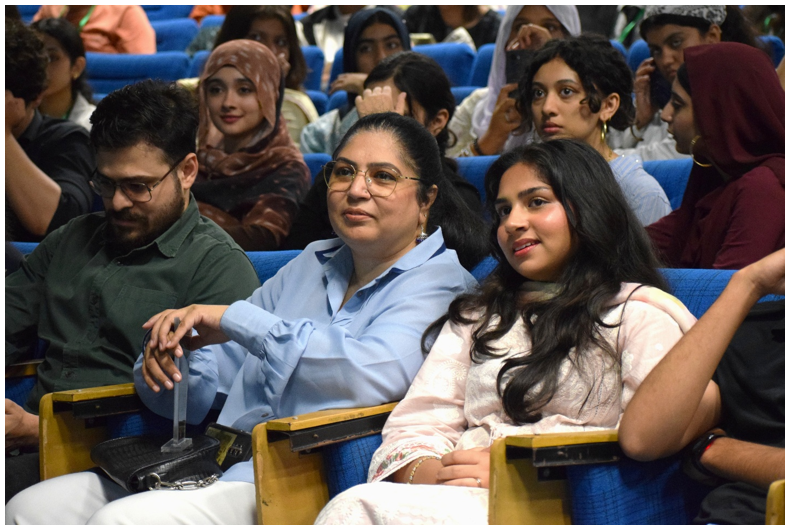
Women in STEM ran as a full stream at LSS for the first time this year, added in direct response to how thinly women are represented across STEM fields. Themed "The Shift from PCOS to PMOS," the workshop drew an audience of over 200, male and female, and brought in practising clinicians, medical researchers, and student researchers, one of whom spoke about living with the condition herself. Between them the speakers covered how the condition presents in patients, how evidence is changing the way it is diagnosed and treated, and how much of women's health still goes unexamined in both clinical practice and research. The session closed with a panel taking questions from the floor.
The stream continued on the final day, with twenty-five teams assigned real patient case studies and given five minutes each to present research posters to a jury of clinicians and researchers. The winning team built NISA, a digital system that assesses the intensity of a woman's symptoms and recommends whether she should seek medical attention.
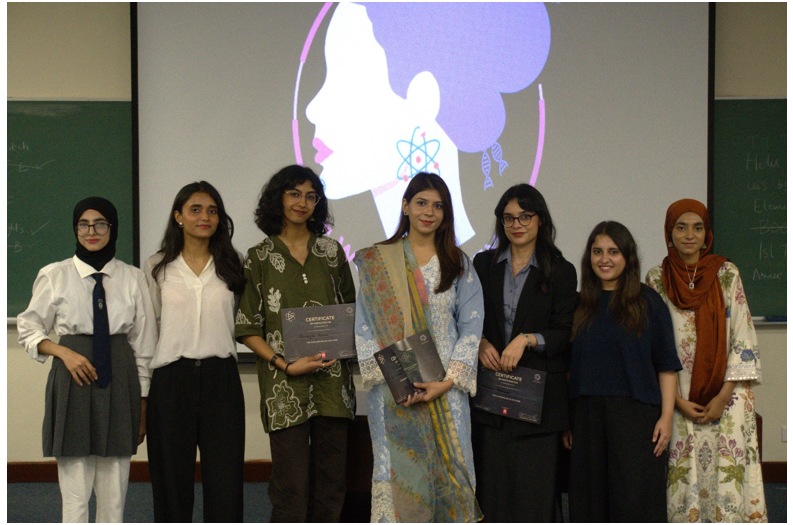
LSS 2026 was ultimately defined by its emphasis on exploration beyond the classroom. Whether delegates were programming autonomous systems, analysing datasets, investigating cellular ageing, modelling earthquake-resistant structures, or researching women's health, each stream encouraged them to engage with scientific disciplines through practical application rather than passive learning.