

Winners of the Fourth Cohort 2026
The winners of the Fourth Cohort of the Khalid and Mussarrat Aziz Research Grants for Planet Earth are:
Brief summaries of the funded proposals are given below:
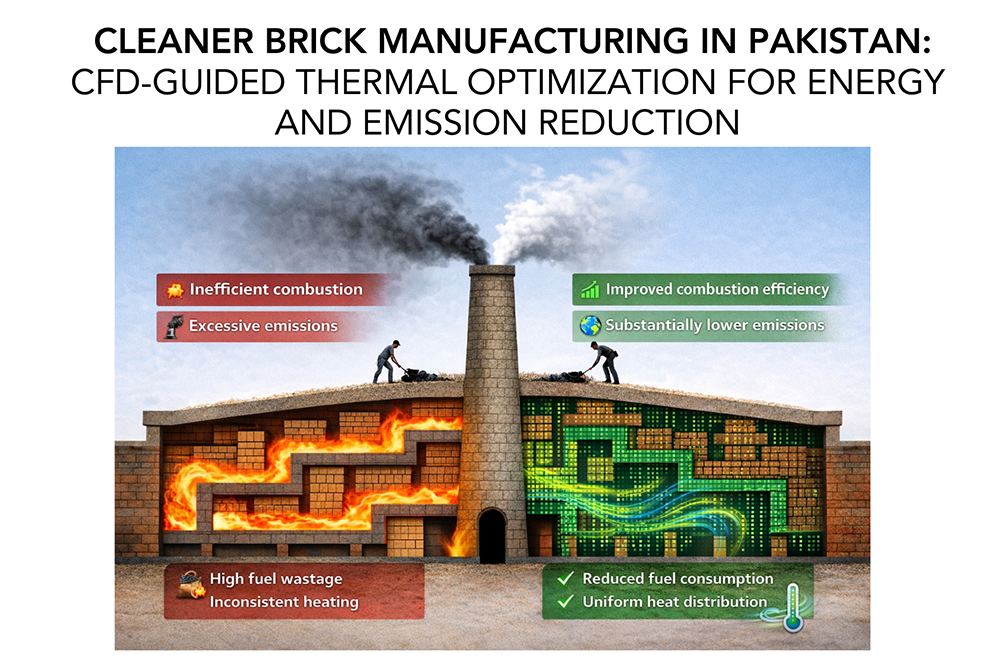
Cleaner Brick Manufacturing in Pakistan: CFD-Guided Thermal Optimization for Energy and Emission Reduction
Dr Usman Bin Shahid
Brick kilns are a major contributor to air pollution and smog in Pakistan, largely due to inefficient combustion and poor heat distribution within existing kiln designs. This project aims to address these challenges through the use of advanced Computational Fluid Dynamics (CFD) to optimize brick-stacking configurations and improve airflow and thermal uniformity inside zig-zag kilns. By combining simulation-driven design with laboratory experiments and real-world industrial validation, the research seeks to reduce fuel consumption, improve the yield of high-quality bricks, and significantly lower harmful emissions such as fine particulate matter (PM₂.₅). In parallel, a low-cost wet scrubbing system will be developed to further capture pollutants before they are released into the atmosphere. The project offers a practical, low-disruption pathway to cleaner brick production—demonstrating that environmental sustainability and industrial profitability can go hand in hand. With the potential to improve air quality, enhance energy efficiency, and support regulatory compliance, this work aims to set a new benchmark for sustainable manufacturing in Pakistan’s construction sector.
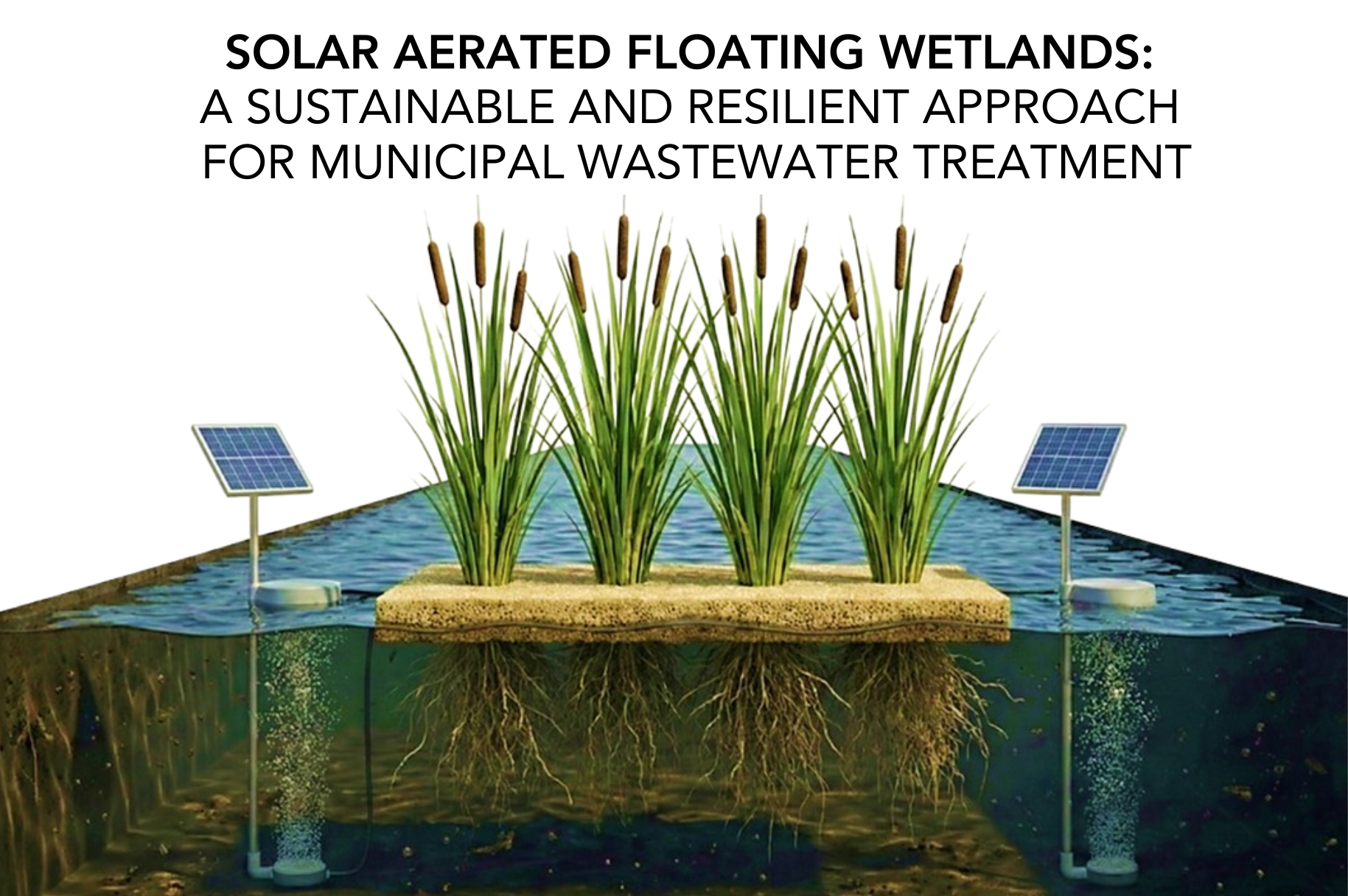
Solar Aerated Floating Wetlands: A Sustainable and Resilient Approach for Municipal Wastewater Treatment
Dr Tauqeer Abbas
Pakistan treats only about 1% of its wastewater, while 99% is discharged untreated into open drains and other surface water bodies, far below its commitment under the United Nations’ Sustainable Development Goals (SDGs) to treat up to 50% of its wastewater. This gap contributes to an exceptionally high disease burden, where waterborne diseases account for 80% of all diseases and 33% of deaths. Only 8 out of 388 cities in Pakistan have wastewater treatment facilities, and some of these are not fully operational. Contaminated municipal wastewater, with both organic and inorganic pollutants, flowing through open drains without treatment, remains a critical public health and environmental challenge. The Rohi Nullah in front of the LUMS exemplifies this momentous challenge, affecting the entire LUMS community through persistent odor nuisance and negotiating the front wall of LUMS. This project aims to address these critical challenges by developing a solar-aerated floating wetland (FW) system. The integration of renewable-energy-driven aeration will enhance oxygen transfer rate without reliance on energy-intensive conventional aeration systems for efficient treatment of Nullah wastewater. This project will demonstrate the feasibility of a solar-aerated FW treatment system for nullah wastewater and provide guidelines for the process scalability for Pakistan and similar settings. By integrating nature-based treatment with renewable energy aerators, this project aligns with global climate resilience and SDGs; SDG-6: Clean Water & Sanitation, and SDG-7: Affordable & Clean Energy.
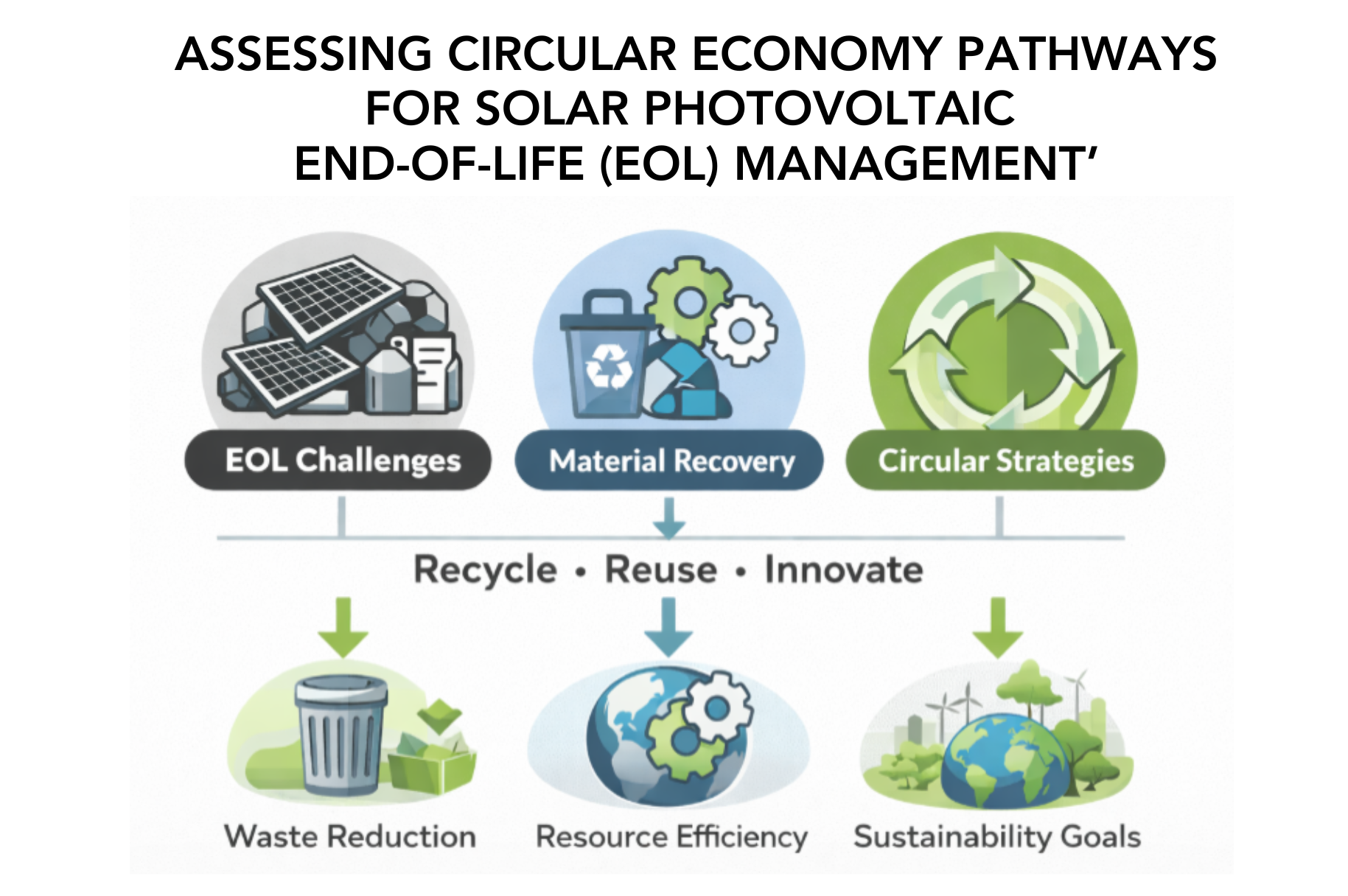
Assessing Circular Economy Pathways for Solar Photovoltaic End-of-Life (EOL) Management
Dr Naveed Ul Hassan
Energy shortages have driven rapid adoption of solar panels as they are considered ecofriendly. However, with an average lifespan of 25–30 years, these panels are expected to generate substantial waste in the coming decades. If poorly managed, this waste can harm soil and water, placing long-term stress on landfills. Recycling remains costly and lacks clear responsibility for funding. The project addresses solar panel waste as a long-term sustainability challenge rather than a short-term technical issue that requires a shift from a “use-and-discard” approach to a circular economy. The research will model how solar panels move through their lifecycle under different assumptions, such as low or high participation by users, early or late policy intervention, and varying levels of compliance with recycling obligations. The analysis will estimate outcomes such as how much waste is diverted from landfills, whether sufficient funds accumulate to support recycling, and how long-term environmental risks change under different governance strategies. The study is particularly useful given the rapid need for creating awareness of solar waste and solution strategies in countries like Pakistan.